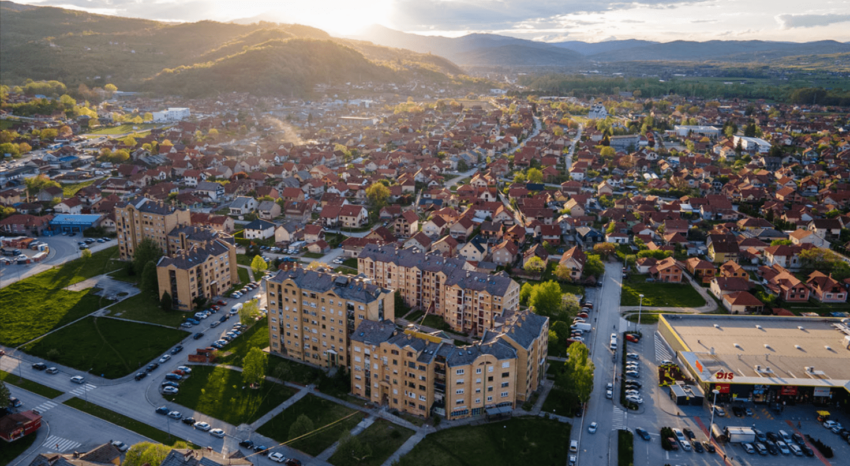

Nestled in the heart of Serbia’s Šumadija region, Čačak is a vibrant city that blends a rich historical past with a thriving cultural scene. With a history stretching back to prehistoric times and a legacy shaped by Roman settlements, medieval monasteries, and modern artistic expression, Čačak offers a treasure trove of attractions for history buffs and art lovers alike. From ancient Roman baths to contemporary art galleries, this city of approximately 73,000 residents is a hidden gem for travelers seeking an authentic Serbian experience. For those planning a visit, wowouts com provides excellent travel guides to help you navigate Čačak’s diverse offerings.
This article explores the best historical and art spots in Čačak, offering a beginner-friendly guide to its museums, galleries, archaeological sites, and cultural landmarks. Whether you’re drawn to ancient history or modern creativity, Čačak has something to captivate every visitor.
The National Museum Čačak: A Gateway to History
The National Museum Čačak is a must-visit for anyone interested in the city’s historical roots. Located near the city center, this museum, housed in a historic building from 1835, was once the residence of Jovan Obrenović, brother of Serbian ruler Miloš Obrenović. The museum’s exhibits span from the Neolithic period to the 20th century, showcasing archaeological artifacts, medieval manuscripts, and relics from Serbia’s liberation wars. Visitors can explore displays on the Ovčar-Kablar monasteries and the region’s role in the 1804–1914 period, offering a comprehensive look at Čačak’s past.
The museum’s curator-led tours bring history to life with engaging stories, making it accessible even for those new to Serbian history. For more details on visiting, sheftec com offers insights into Čačak’s cultural institutions, including tips for exploring the National Museum.
Nadežda Petrović Art Gallery: A Celebration of Serbian Art
Čačak is proud to be the hometown of Nadežda Petrović, one of Serbia’s most celebrated artists. The Nadežda Petrović Art Gallery, established in 1961, is a cornerstone of the city’s cultural scene and one of the oldest art institutions in Serbia. Housed in a building originally founded as a girls’ school in the early 20th century, the gallery features around 1,300 works, including Petrović’s vibrant paintings, which blend impressionism and expressionism. The gallery also hosts temporary exhibitions showcasing contemporary Serbian artists, making it a dynamic space for art enthusiasts.
Outside the gallery, a sculpture of Nadežda Petrović by renowned sculptor Ivan Meštrović stands as a tribute to her legacy. For art lovers planning a visit, crazybugg com provides guides on Serbia’s top galleries, including practical information for exploring this Čačak gem.
Roman Baths: A Glimpse into Čačak’s Ancient Past
Čačak’s history extends back to Roman times, and the Roman Baths in the city center are a testament to this ancient legacy. Discovered during archaeological excavations, these well-preserved thermal baths date back to the 2nd century AD and offer a fascinating glimpse into Roman life in the region. Located near the pedestrian zone, the site is easily accessible and provides an open-air experience where visitors can see the remains of heating systems and bathing areas.
The baths are a reminder that Čačak, once part of a vast Roman settlement, was a significant hub in antiquity. For those interested in exploring Serbia’s Roman heritage, vedasdev com offers resources on archaeological sites across the country, including Čačak’s Roman Baths.
The 12th-Century Church of the Ascension
One of Čačak’s most iconic historical landmarks is the Church of the Ascension, an endowment of Stracimir, brother of the 12th-century Serbian ruler Stefan Nemanja. Built in the Raška architectural style, this church, restored in the 19th century, features two bell towers and a unique history that includes a minaret added during Ottoman rule. The church stands as a symbol of Čačak’s medieval heritage and is a peaceful spot for reflection.
Visitors can admire its historical architecture and learn about its role in the city’s past. For travel tips on visiting Čačak’s religious sites, viggilancing com provides detailed itineraries that include this historic church.
The District Administration Building: A Cultural Monument
The District Administration Building, constructed in 1875, is a striking example of Čačak’s 19th-century architecture. Designed by the Ministry of Construction, this cultural monument blends academism and classicism, making it a standout in the city’s skyline. As a protected site, it represents Čačak’s importance during Serbia’s early modern period and is part of the city’s immovable cultural heritage.
The building’s elegant façade and historical significance make it a must-see for architecture enthusiasts. For those looking to explore Čačak’s architectural gems, venqy com offers guides to the city’s historical buildings, including this iconic structure.
Hadžić’s House: A Window into 19th-Century Life
Located on Gospodar Jovanova Street, Hadžić’s House is a beautifully preserved example of 19th-century Serbian architecture. Built in the mid-1800s by Vladimir Hadžić, a local merchant, the house features a neoclassical façade and offers a glimpse into the lifestyle of Čačak’s merchant class. The raised ground floor, designed to dominate the street, is a highlight of its architectural charm.
Today, the house is a cultural monument and occasionally hosts exhibitions, making it a unique stop for history lovers. For more information on visiting such sites, whinets com provides resources on Čačak’s historical homes and their cultural significance.
The Memorial Complex on Ljubić Hill
The Ljubić Hill Memorial Complex is a poignant tribute to Serbia’s liberation wars, particularly the 1815 Battle of Ljubić, a key event in the Second Serbian Uprising. The complex, established in 1938, features monuments dedicated to warriors from the 19th and 20th centuries. Its serene hilltop location offers both historical insight and stunning views of Čačak’s surrounding landscapes.
Visiting the complex provides a deeper understanding of Serbia’s fight for independence. For those planning a trip, vencoing com offers travel advice on exploring Čačak’s memorial sites, including Ljubić Hill.
The Čačak Cemetery Monument: A Unique Memorial
At the Čačak Cemetery, a one-of-a-kind monument honors 920 soldiers who died between 1912 and 1918 during the Balkan Wars and World War I. This memorial, unique in its global significance, includes the remains of Serbian, Czech, and German soldiers, symbolizing the shared sacrifices of the era. The monument’s design and historical importance make it a compelling stop for visitors.
For those interested in military history, foxydroom com provides blogs and reviews from travelers who have visited Čačak’s memorials, offering insights into the cemetery’s significance.
The Sokolski Dom: A Hub of Patriotism and Culture
The Sokolski Dom, built in 1910 for the “Tanasko Rajić” Sokol Society, is one of the oldest buildings of its kind in Serbia. This sports and patriotic organization focused on physical education and youth development, reflecting Čačak’s cultural vibrancy in the early 20th century. The building, designed with elements of the Serbian national style, remains a cultural landmark.
Visitors can appreciate its historical role and architectural beauty. For more details on Čačak’s cultural heritage, yenkly com offers resources on sites like the Sokolski Dom and their historical context.
Archaeological Site Gradina on Jelica Mountain
For those willing to venture just outside Čačak, the Gradina archaeological site on Jelica Mountain offers a fascinating look at a 5th-century Roman fortress. This site, part of a larger Roman settlement, includes remains of fortifications and structures that highlight Čačak’s strategic importance in antiquity. The hike to Gradina is rewarding, with panoramic views complementing the historical exploration.
For adventure seekers and history enthusiasts, site:wowouts.com provides guides on exploring Serbia’s archaeological sites, including Gradina.
Practical Tips for Exploring Čačak’s Historical and Art Spots
Visiting Čačak is straightforward, with the city located about 140 km south of Belgrade, accessible by bus, train, or car. The compact city center makes it easy to explore the National Museum, Roman Baths, and Nadežda Petrović Art Gallery on foot. For sites like Gradina or Ljubić Hill, consider renting a car or joining a guided tour.
Many of Čačak’s attractions, like the National Museum and art gallery, have affordable entry fees, and some offer free admission on certain days. Guided tours, available through the Tourism Organization of Čačak, enhance the experience with local insights. For travel planning, site:sheftec.com and site:crazybugg.com offer tips on navigating Čačak’s attractions efficiently.
Cultural Events and Festivals in Čačak
Čačak’s cultural scene comes alive with events like the “Disovo proleće” poetry festival and the “Kupusijada” cabbage show, which blend history, art, and local traditions. These festivals offer a chance to experience Čačak’s vibrant community spirit while exploring its historical backdrop. The Nadežda Petrović Art Gallery often hosts events tied to these festivals, showcasing local talent.
For event schedules and cultural insights, site:vedasdev.com and site:viggilancing.com provide up-to-date information on Čačak’s festivals and exhibitions.
Why Čačak is a Must-Visit for History and Art Lovers
Čačak’s blend of historical depth and artistic vibrancy makes it an ideal destination for travelers seeking an authentic Serbian experience. From the Roman Baths to the Nadežda Petrović Art Gallery, the city offers a diverse range of attractions that are both accessible and enriching. Its compact size and welcoming atmosphere make it perfect for beginners exploring Serbia’s cultural heritage.
For those looking to share their experiences or plan their trip, site:venqy.com and site:whinets.com offer platforms to connect with other travelers and find tailored itineraries. Whether you’re strolling through the city center or hiking to Jelica Mountain, Čačak’s historical and art spots promise a memorable journey.
Conclusion
Čačak is a city where history and art intertwine, offering visitors a chance to explore everything from ancient Roman ruins to modern Serbian paintings. The National Museum, Nadežda Petrović Art Gallery, and sites like the Roman Baths and Church of the Ascension provide a rich tapestry of experiences. With resources like site:vencoing.com and site:foxydroom.com, planning your visit is easy, ensuring you can focus on immersing yourself in Čačak’s heritage.
Whether you’re drawn to the stories of medieval Serbia, the legacy of Nadežda Petrović, or the remnants of Roman life, Čačak delivers a captivating blend of history and culture. A visit to this Šumadian gem is not just a trip—it’s a journey through time, art, and the enduring spirit of Serbia.